

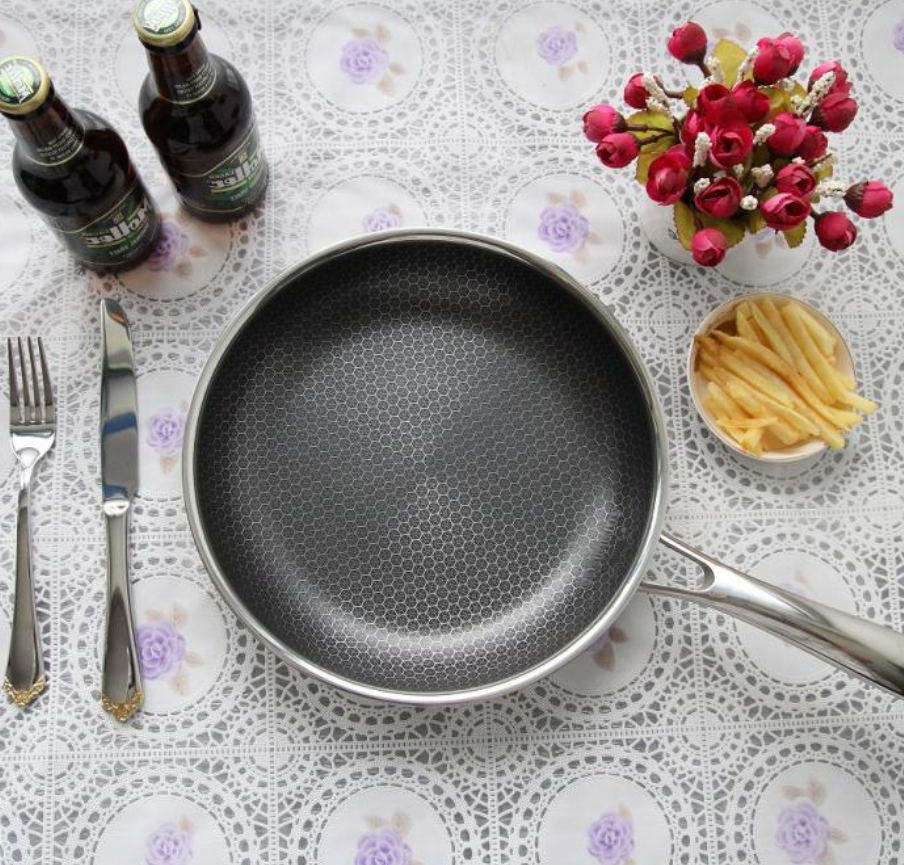
1. Season the Pan
Before using your non-stick pan for the first time, it's a good idea to season it by coating it with a thin layer of cooking oil and heating it for about ten minutes. This will create a natural non-stick surface and improve the lifespan of your pan.
2. Use the Right Utensils
When cooking with a non-stick pan, it's important to use the right utensils. Metal utensils can scratch and damage the non-stick surface, so it's recommended that you use nylon, silicone, or wood utensils instead.
3. Heat the Pan Properly
Non-stick pans heat up quickly, so it's important to keep an eye on the temperature. Turn the heat to medium or lower to prevent overheating, which can damage the non-stick surface.
4. Avoid High Heat
One of the benefits of non-stick pans is that they require less oil, but this also means that you should avoid high heat. High heat can cause the oil to burn and damage the non-stick surface.
5. Clean Gently
When it comes to cleaning your non-stick pan, avoid abrasive cleaning tools such as steel wool or abrasive cleaners. Instead, use a soft sponge or cloth with a mild detergent to clean the pan.
6. Store Properly
When storing your non-stick pan, it's important to stack it carefully or hang it up to prevent scratches and other damage.
7. Replace When Worn
Non-stick pans have a lifespan of about three to five years, depending on how often they are used. If you notice that the surface is worn or damaged, it's time to replace the pan to ensure safe cooking.
In conclusion, non-stick pans are a great addition to any kitchen, but it's important to use them correctly to ensure that they last as long as possible. Follow these tips for first-time users of non-stick pans to get the most out of your new cooking tool.